
Tiskilwa Farms Alpacas, Illinois
  • Home
  • About Alpacas
  • Alpacas for Sale
  • Herdsire Services
  • Latest News!
  • Contact Us

Illinois Alpaca News

cria care 101

7/26/2019

0 Comments

 
Picture
We get a lot of questions about alpacas and taking care of them here at TFA, and one of the most common type of questions is cria care. Be it emergency care or routine care, it is important to be prepared ahead of time. We're going to cover some basics today, but they should not be taken as a substitute for a vet or as advice given by a vet. TFA and all its employees are not and do not claim to be veterinarians and we always recommend contacting a vet as soon as possible when you have a problem.

​Normal Births

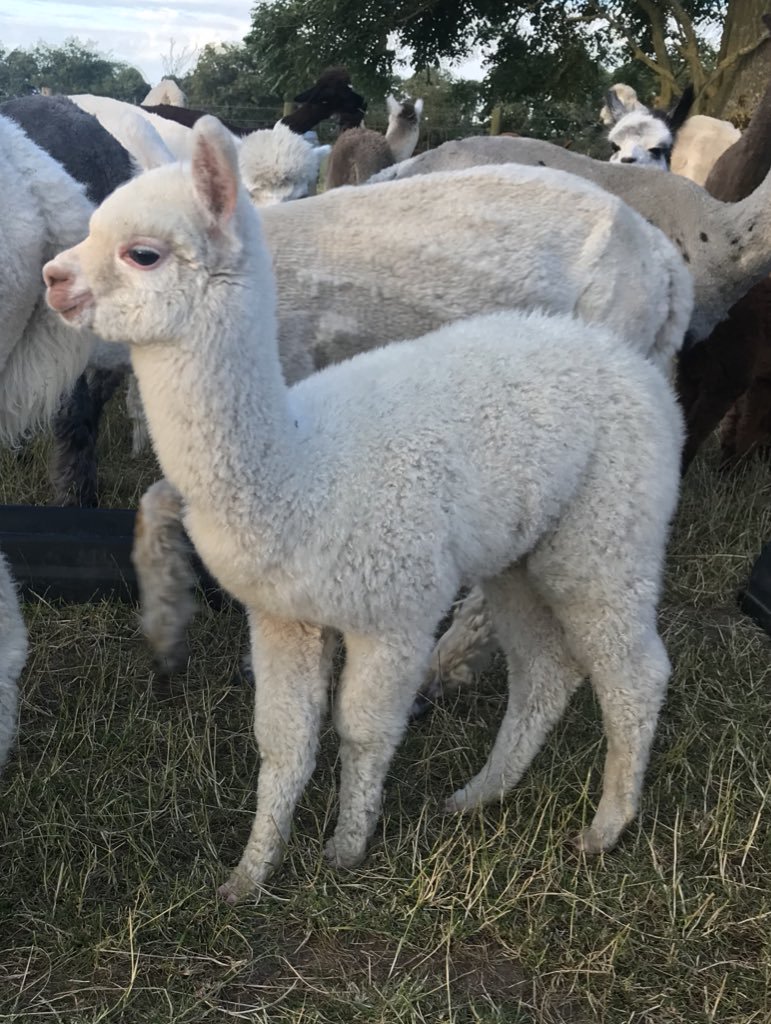
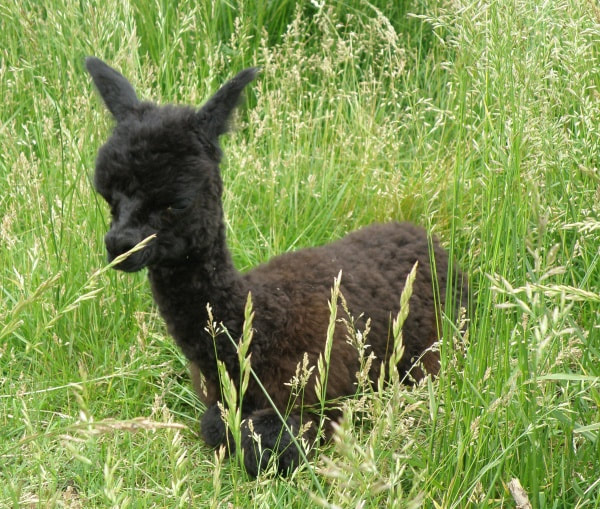
​Presuming everything has gone well, a newborn cria will not need much assistance, or any at all. However, if you are present you should remove the membrane from the cria and dry him/her. The mom will not lick or remove the membrane from the cria and it will dry to it. The newborn cria should be working on getting into a cush position almost immediately after birth then working on standing and nursing within around three hours. During this period, we will dip the umbilical stump in iodine, get a weight on the cria, assess the cria for issues such as genital or anal deformities, umbilical hernia, cleft palate, and any signs of weakness.
Once mom passes the placenta within about three hours, and the cria is up and nursing on his or her own, that is about all there is to a normal cria birth. Over the next 72 hours, we do have a few more care tasks to complete to make sure all is well.
Picture

​The First Few Days

​Here at TFA we put mom and baby into a small stall and have a friend nearby for mom so she is not stressed from being alone. This makes it easier for the cria to get to mom for nursing on wobbly legs and lets us keep a very close eye on both mom and baby. We monitor the crias weight and make sure he or she is gaining weight, make sure mom is allowing the cria to nurse and producing milk, and we also schedule the cria for the first vet appointment. All of our crias go to the vet within 72 hours of birth for BVD testing, IgG testing, a DNA blood card, a microchip, and general assessment. The IgG is to ensure that the passive transfer of anti-bodies has taken place via sufficient colostrum ingestion. If this passive transfer has failed, we will do a plasma transfusion via IV to ensure the cria is protected by anti-bodies.
Once the cria has been seen by the vet and the IgG is good or we do a transfusion, mom and cria are then put back with the herd. We keep our moms with crias together and separate from the other herds, but it is safe to put mom and baby back with their usual herd. From this point, we just monitor that baby is growing, mom is not struggling with milk supply, and we vaccinate and worm the cria as is appropriate by age. Weaning occurs at approximately six months once the cria is existing mostly on hay/pasture, feed, and water. 

​When something isn’t right

​Hopefully your cria and mom are healthy and all is well, but it is important to recognize the signs of things being wrong and be prepared. There are many things that can go wrong and we will touch base on more common issues, however, TFA always recommends you consult with a veterinarian as soon as possible.
WHERE IS THE CRIA? – If mom has been pushing for 45 mins or more and there is no progress, that is a problem. There are many reasons for dystocia and it is best to call a vet immediately. Alpacas have a very small pelvis and a very large cria for their size. Imagine a 150 pound human giving birth to a 15-22 pound baby, which is about the same for an alpaca. Unlike with other livestock there is very little room to manipulate a poorly positioned cria, doing so can cause severe damage to mom.
THE CRIA IS VERY WOBBLY – Birth is hard work even for a cria! Sometimes crias are born with lax leg tendons or are just very unstable. When we see this issue we give mild doses of selenium and vitamin E paste, and give the severe cases a prescription injection called BOSE. Also, we give a couple CC’s of Karo syrup to our weak and wobbly crias. Occasionally, they are born with low blood sugar and the syrup provides a quick zap of energy to get on their feet and nursing. We always monitor these crias closely to ensure there are not neurological issues causing the wobbles. We also assist the cria with standing and support to nurse until it is capable.
THE CRIA IS LICKING WALLS AND IGNORING MOM – Is your cria acting very strange? Is he or she wandering all over, ignoring mom, refusing to nurse mom, and licking dark corners, walls, hardware, and more? It is a safe bet that your cria is what is called a “dummy cria”. Sometimes when birth is too fast or too long the cria is born without the proper firing of neurotransmitters and is pretty confused. There is no direct way to reverse this however there are steps you can take to help. “Madigan Squeeze Technique” was developed for horses and does show success in alpacas but it is not promised and should only be done by a vet or someone trained in the technique. The most important thing is to make sure baby is eating which means tube feeding or bottle feeding until he or she comes around. It is advised to have frozen colostrum on hand and be sure baby gets 10% of their bodyweight in the first 12 hours. After that, you should be milking mom to keep her supply up, feed baby, and also use formula to make sure the cria is getting 15% of its bodyweight in food a day. If your cria has a suck reflex bottle feeding is better than tube feeding. If the cria does not have a suck reflex, you will have to tube feed and consult a veterinarian for how to do so. Generally, dummy crias come around on their own within a few days to a week after birth.
THIS CRIA IS EARLY – Premature crias can be identified easily. They will be very small, their lower front teeth will not be erupted through the gums, the tendons will be loose, and the ears can be curled. The very first thing you will need to do is make sure the premature cria is dry and its temperature is normal. To accomplish this the best steps are to towel dry the cria and then either put the cria in a plastic bag with its head out and submerge it in warm water being sure to keep it dry or get out a blow dryer and start warming it that way. You cannot feed a cold cria. The second step is to get some energy into the premie. Generally, a little karo syrup followed by colostrum is best. Many premie crias do not have a suck reflex and will be unable to bottle feed. If the cria will swallow you can slowly syringe feed tiny bits by inserting a syringe in the corner of the mouth and squirting tiny amounts for the cria to swallow. Alternatively, there is tube feeding. The cria will need to have you manage its body temperature until it is stable using heating pads and lights and checking its temperature. It will also need to be fed small amounts frequently. It is best to get this premie to a vet for assessment immediately and come up with an action plan.

​'There are plenty of things that can go wrong, but remaining calm and prepared are the two most important steps you can take to handle any issues that come up. Always have a couple of vet phone numbers available, have supplies on hand and ready to go, and do research before your cria is due. It is scary, exciting, and sometimes heart breaking to raise alpacas, but it is definitely an amazing experience. Here at TFA we do offer tours, education, sales, and herd consultations to the public if you want further or personalized information. Please contact (815) 646-1300 for assistance in scheduling those services.
0 Comments


Leave a Reply.

Tiskilwa Farms Alpacas, Illinois (logo)
Tiskilwa Farms Alpacas, LLC, Tiskilwa, Illinois
(Located between Wyanet, Tiskilwa, and Buda, Illinois)
Map & Contact information
CONVENIENT NORTH CENTRAL ILLINOIS LOCATION
Over 100 quality alpacas for breeding and sale. Located 5 miles south of Interstate 80 on a ridge overlooking the Illinois River Valley, we welcome farm tours by appointment most any time.
 Copyright © 2018 All Text & Images Tiskilwa Farms Alpacas, LLC.  Mobile-friendly website design by PacaPages.com. EDIT
  • Home
  • About Alpacas
  • Alpacas for Sale
  • Herdsire Services
  • Latest News!
  • Contact Us